Dual-color courier bag film with different inside and outside layers has become increasingly popular in the logistics packaging industry. Its outer layer often adopts eye-catching colors for brand identification or warning purposes, while the inner layer uses neutral colors (such as black or gray) to hide the contents and reduce costs by incorporating recycled materials. Many producers wonder about the specific production process—Is it achieved through post-printing? Or is it formed during the film blowing stage? In fact, the core of producing this type of film lies in multi-layer co-extrusion technology, which realizes color separation of inner and outer layers in one step during the film forming process. This guide will detail the entire production process from principle to practice, combining on-site experience and industry standards.
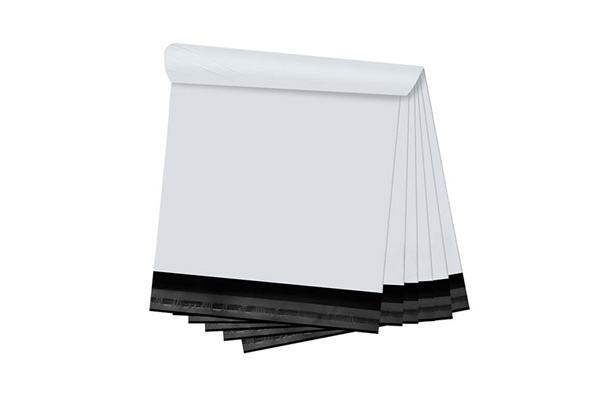
Courier Bag
Core Principle: Multi-Layer Co-Extrusion Realizes Color Separation
The fundamental difference between dual-color courier bag film and single-color film lies in the "layered molding" of materials. The traditional single-color film is produced by melting and extruding a single type of plastic material mixed with color masterbatch through a single extruder. In contrast, the dual-color film with different inside and outside layers relies on two-layer or three-layer co-extrusion blown film equipment. Two sets of independent extruders respectively convey plastic melts with different color formulas to a special co-extrusion die head. The die head precisely distributes the melts into inner and outer layer structures, which are then blown, cooled, and shaped to form an integrated film with distinct inner and outer colors. This one-step forming process avoids the problems of color bleeding and poor adhesion caused by post-printing, and also improves production efficiency significantly.
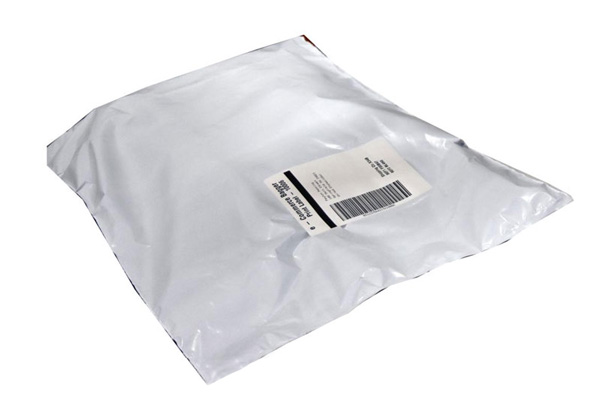
E-commerce bag
Key Equipment Selection: The Foundation of Stable Production
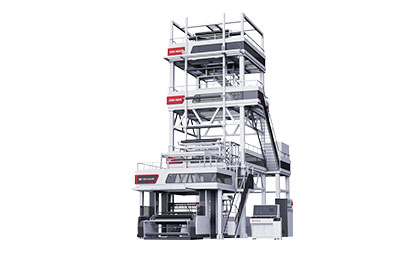
The selection of co-extrusion equipment directly determines the quality of the dual-color film (such as color uniformity, layer adhesion, and thickness consistency). For most courier bag manufacturers, the two-layer AB co-extrusion blown film machine is the most cost-effective choice. This type of machine is equipped with two independent extruders (referred to as A and B extruders), a co-extrusion die head, a cooling system, a traction system, and a winding system. The A extruder is usually used to produce the outer layer (requiring better surface smoothness and color stability), and the B extruder is used for the inner layer (allowing the addition of recycled materials to reduce costs). The output of mainstream models is 45-55 kg/h, and the film width can be adjusted between 650-1800 mm according to needs, which is fully compatible with the production of common courier bag specifications.
Key components requirement: Co-extrusion Die Head is the core component for realizing layer separation. A spiral mandrel die head is recommended, which can ensure uniform distribution of inner and outer layer melts and avoid color mixing at the layer interface. The precision of the die lip gap adjustment should reach 1 μm to control the thickness of each layer accurately. Extruder Screw material should be high-quality alloy steel (such as SACM-645) treated with nitriding to ensure corrosion resistance and wear resistance. The length-diameter ratio (L/D) is 28/1 or 30/1, which can ensure sufficient plasticization of the material and stable melt output. For the inner layer containing recycled materials, an extruder with a stronger mixing capacity is preferred. Cooling System adopts a dual air ring cooling structure (internal + external). The external air ring ensures uniform cooling of the outer layer surface, while the internal cooling (optional) can improve the cooling efficiency and reduce the thickness deviation of the film. The "frost line" height (the position where the film changes from transparent to opaque) should be controlled at 30-50 cm above the die head to ensure stable film formation. Automatic Winding System is equipped with a torque motor to maintain constant tension winding, avoiding film wrinkling or layer shifting caused by uneven tension.
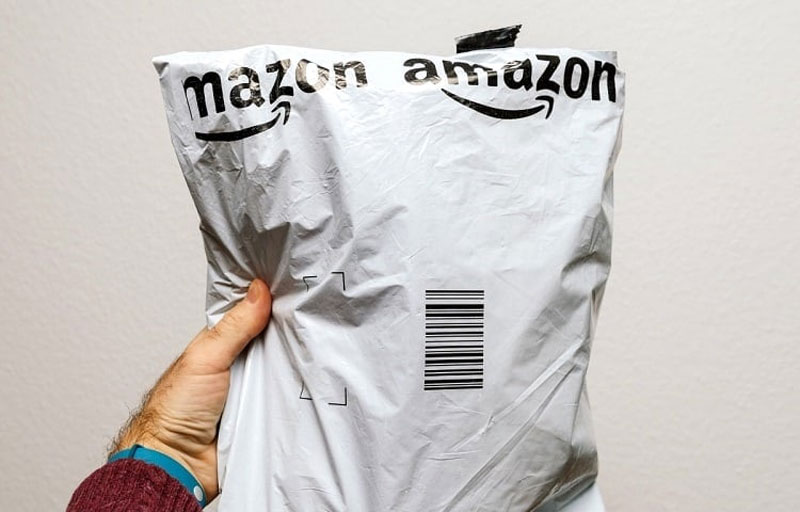
Amazon Delivery Shopping Bag
Raw Material Selection and Formula Design: Balance Between Cost and Performance
Courier bag films are mainly made of polyethylene (PE) materials, which are selected based on the performance requirements of inner and outer layers. The formula design should focus on color stability, material compatibility, and cost control. For outer layer (surface layer), priority is given to virgin linear low-density polyethylene (LLDPE) or low-density polyethylene (LDPE). LLDPE has excellent tear resistance and impact resistance, which can improve the durability of the courier bag; LDPE has good surface smoothness, which is beneficial to subsequent printing (if needed). No recycled materials are added to ensure surface flatness and color brightness, and the melt index (MI) is controlled at 1.5-2.5 g/10min to match the extrusion process. For inner layer, a mixture of LLDPE and a certain proportion of recycled PE (recycled courier bag film particles) can be used. The addition ratio of recycled materials can reach 30%-50% under the premise of ensuring performance, focusing on toughness and sealing performance to avoid bag breaking during transportation. The melt index should be as close as possible to that of the outer layer (difference ≤10%) to ensure compatibility during co-extrusion.
Color masterbatch is the key to realizing color difference between inner and outer layers. The selection and mixing ratio of color masterbatch directly affect color uniformity and stability. For color masterbatch selection, choose PE-compatible color masterbatch (such as polyethylene carrier color masterbatch) to avoid poor compatibility leading to film surface defects. The outer layer color masterbatch should have high light resistance (level ≥6) to prevent fading after long-term storage; the inner layer color masterbatch (usually black or gray) should have high hiding power to cover the contents. The addition ratio of color masterbatch is usually 2%-5% of the total material weight. For virgin material outer layer, 2%-3% is enough to achieve uniform color; for inner layer with recycled materials, the ratio needs to be increased to 3%-5% to cover the color of recycled materials. It should be noted that the mixing ratio must be strictly controlled—excessive addition will reduce the toughness of the film, while insufficient addition will cause color unevenness. Use a professional mixer to mix the plastic particles and color masterbatch for 10-15 minutes. For materials with high humidity (such as recycled materials stored in the open air), pre-drying is required (temperature 80-100℃, time 2-3 hours) to avoid bubbles on the film surface caused by moisture vaporization during extrusion.
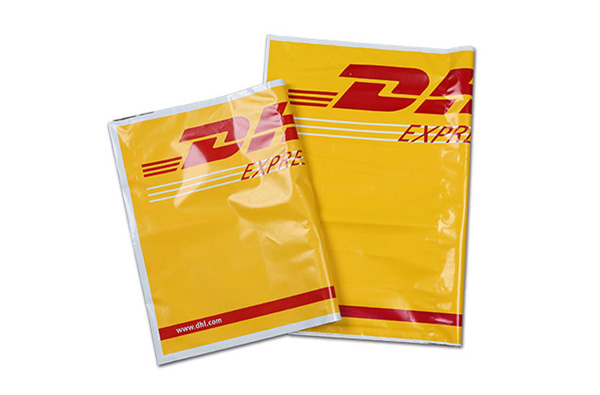
DHL Bag
Complete Production Process: Step-by-Step Operation Guide
The production of dual-color courier bag film follows the process of "raw material pretreatment → co-extrusion melting → die head compounding → blow molding cooling → traction stretching → winding slitting". First, raw material pretreatment: inspect the raw materials and color masterbatch, check whether the plastic particles have impurities (use a magnetic separator to remove metal impurities) and whether the color masterbatch has agglomeration (break it up manually if there is agglomeration). Then, according to the formula, weigh the outer layer virgin material + corresponding color masterbatch and inner layer mixed material + color masterbatch respectively, put them into the mixer for uniform mixing, and transport the mixed materials to the hoppers of the two extruders respectively through the automatic feeder.
Next, co-extrusion melting: set the temperature parameters of the two extruders according to the material type. Take LLDPE as an example, the temperature of the feeding section is 160-170℃, the compression section is 180-190℃, and the homogenization section is 190-200℃. The temperature of the two extruders should be kept consistent to avoid uneven plasticization caused by temperature difference. Start the extruders, the screw rotates to convey, compress, and melt the material into a uniform melt, which is then transported to the co-extrusion die head through the melt pump (the flow fluctuation of the melt pump ≤0.5% to ensure stable output).
Then, die head compounding and blow molding: in the co-extrusion die head, the melts of the inner and outer layers are distributed into two concentric annular flows through the flow channel, and merged at the die lip to form a two-layer composite melt film. The die head temperature is controlled at 200-210℃ to ensure good fusion of the two layers. Then, the air compressor injects air into the film bubble through the center of the die head to blow the melt film into a cylindrical bubble tube (the blow-up ratio is controlled at 2.5-3.5, which affects the transverse strength of the film). It should be noted that the air pressure must be stable to avoid film thickness deviation caused by bubble tube shaking.
Cooling and shaping: the high-temperature bubble tube is cooled by the external air ring first—the uniform cold air curtain formed by the air ring quickly cools the outer layer of the bubble tube, making it solidify initially. If conditions permit, the internal cooling system (IBC) can be turned on to blow cold air into the bubble tube, which can improve the cooling efficiency by 30%-50% and reduce the thickness deviation of the film. The height of the frost line should be kept stable: too high will lead to poor surface smoothness of the film, while too low will reduce the toughness of the film.
Finally, traction stretching and winding: the cooled and shaped bubble tube is flattened by the traction roller, and stretched longitudinally under the action of the traction roller (the traction speed is matched with the extrusion speed to ensure the film thickness meets the requirements: the thickness of the courier bag film is usually 10-100 μm). Finally, the winding machine winds the flattened film into a roll under constant tension. During the winding process, it is necessary to check the film surface regularly for color unevenness, layer separation, or bubbles. The finished film roll is then slit into the required width according to the courier bag size to enter the subsequent bag making process.
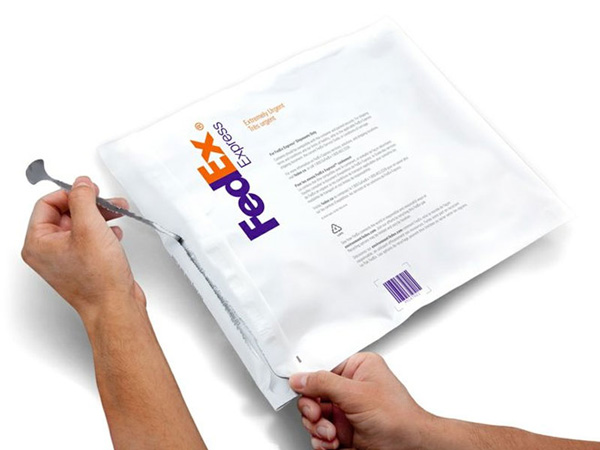
FedEx bags
Key Process Control and Quality Inspection
In the production of dual-color film, the most common problems are color mixing at the inner and outer layers, uneven color, and poor layer adhesion. To prevent color mixing at layer interface, ensure the co-extrusion die head is clean (thoroughly clean the die head flow channel before production to avoid residual material causing color mixing) and control the melt viscosity difference (the melt index difference between inner and outer layer materials should not exceed 10%, adjust temperature if the difference is too large to match viscosities). To ensure uniform color, stabilize the mixing ratio (use an automatic color masterbatch dosing system to avoid manual weighing errors) and control the extrusion temperature stably (the temperature fluctuation of each section of the extruder should not exceed ±5℃, excessive fluctuation will cause color masterbatch decomposition or uneven dispersion). To improve layer adhesion, ensure the die head temperature is appropriate (too low leads to poor fusion, too high degrades the material) and avoid excessive addition of recycled materials in the inner layer (addition ratio should not exceed 50%).
Key quality indicators: color difference (inner and outer colors consistent with the sample, no color spots, streaks or mixing, checked by visual inspection under natural light); thickness uniformity (thickness deviation ≤±2%, measured by a thickness gauge at 5 points of the film width); layer adhesion (no layer separation when stretched by 100%, tested by manual stretching); mechanical properties (tensile strength ≥15 MPa, tear strength ≥80 kN/m, tested according to GB/T 1040.3-2006 standard).
Common problems and solutions: 1. Color mixing at inner and outer layers: causes include residual material in die head flow channel and excessive melt viscosity difference; solutions are to stop and clean the die head, adjust temperature to match melt viscosity. 2. Uneven color on film surface: causes are uneven mixing of color masterbatch and fluctuating extrusion temperature; solutions are to extend mixing time or use automatic dosing system, check the extruder's temperature control system. 3. Layer separation of the film: causes are too low die head temperature and excessive addition of recycled materials; solutions are to increase die head temperature appropriately and reduce the addition ratio of recycled materials. 4. Bubbles on film surface: causes are moisture and impurities in raw materials; solutions are to pre-dry the materials and strengthen the impurity removal process.
Conclusion
The production of dual-color courier bag film with different inside and outside layers is not complicated in principle, but it requires precise control of equipment, formulas, and processes. The core is to rely on two-layer co-extrusion technology to realize the one-step forming of inner and outer color separation. For manufacturers, choosing the appropriate co-extrusion blown film machine, formulating a reasonable raw material formula (especially the matching of color masterbatch), and strictly controlling the temperature, pressure, and speed in each production link are the keys to ensuring stable product quality. With the continuous development of the logistics industry, the demand for personalized and functional courier bag films will continue to grow. Mastering this production technology will help enterprises gain more market competitiveness.
If you need personalized technical solutions or equipment selection suggestions for dual-color courier bag film production, you can contact Zhuxin Machinery via email at [email protected] or WhatsApp at +86-13706630761. The Zhuxin team with years of industry experience will provide you with professional support.
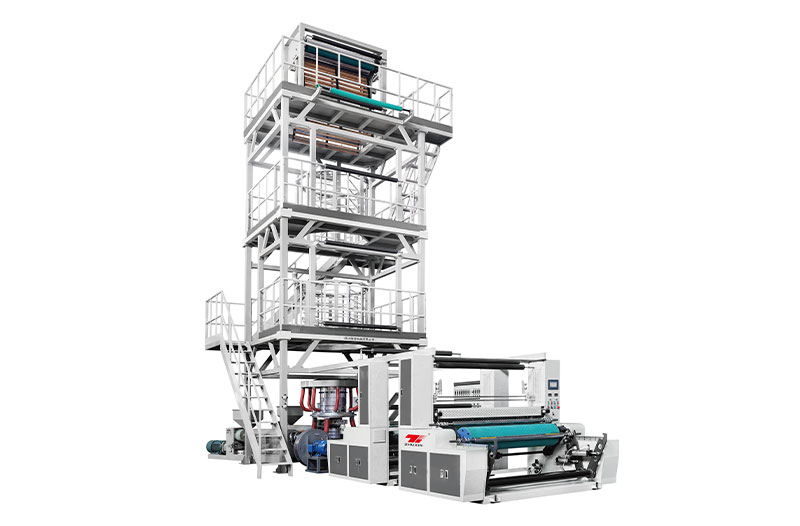
ABC CO-EX
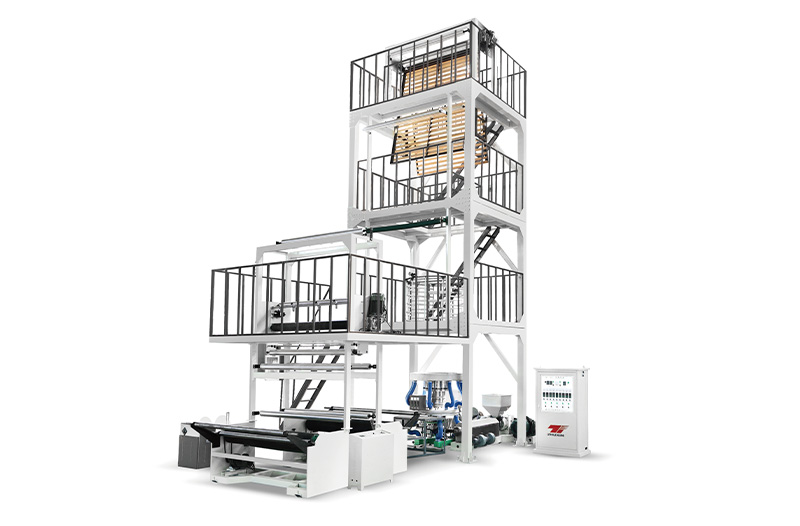
AB CO-EX
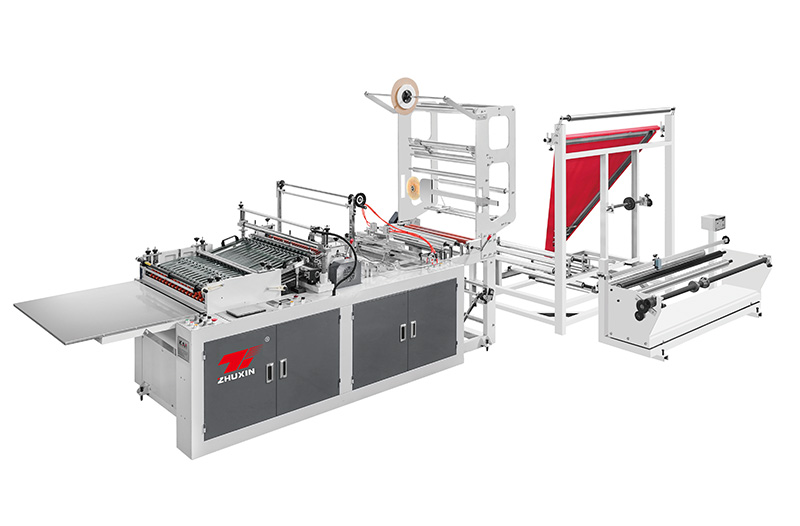
RQL-600/1000

 English
 Español
 Pусский